Center For Cognition and Communication
What to expect during a neuropsychological evaluation
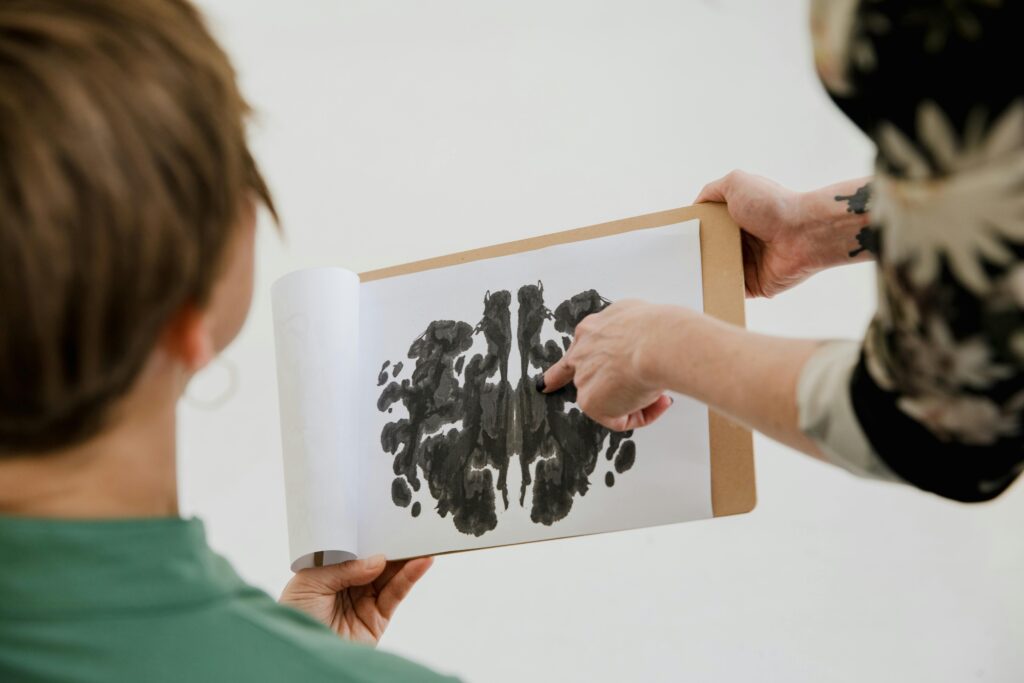
You will answer questions, complete some paper-and-pencil and computer tasks, and talk with a provider about how your thinking has changed. Nothing is painful, and there are no needles or scans involved. This is what happens during a neuropsychological evaluation, whether you are seen in Manhattan or Queens.
What the evaluation actually is
An evaluation is a structured part of neuropsychological testing and assessment, designed to measure how the brain handles memory, attention, and problem-solving. It is not a pass-or-fail exam. The goal is to understand your strengths and your challenges, so care can be built around the real picture.
Most people come in after something changed. A car accident, a fall at work, or a head injury that left them feeling foggy or forgetful. The testing puts words and numbers to that experience, which often feels like a relief on its own.
What a session looks like, start to finish
The day usually begins with a conversation. Your provider asks about your history, your symptoms, and what daily life feels like now. This part matters as much as the tests, so answer honestly, even about the hard parts.
Then come the tasks. You might remember lists of words, copy shapes, sort cards, or solve small puzzles under gentle time limits. Much of the testing focuses on how well you manage memory, attention, and executive functioning across a range of everyday tasks.
Breaks are built in. If you get tired or frustrated, you can say so, and the pace can shift. The room is quiet and private, and no one is judging your answers.
Common fears, addressed honestly
You cannot study for this, and you should not try. The tasks are designed to find your natural limits, so guessing “the right way” would only muddy the results. Just show up rested and let yourself do your best.
Feeling nervous is normal, and it will not ruin your scores. Providers expect some anxiety and account for it. Many people are surprised by how ordinary the tasks feel once they begin.
You also will not be diagnosed on the spot. Results take time to score and interpret carefully. Many people are unsure how it differs from a neurological exam, since both look at the brain but measure very different things. A neurologist checks reflexes and physical signs. A neuropsychological evaluation looks at how you think, remember, and cope.
When this kind of evaluation helps
Testing tends to help most when symptoms are interfering with work, relationships, or daily routines. Memory lapses, trouble concentrating, and emotional ups and downs that started after an injury are all reasons to consider it. Structured cognitive assessment can guide more effective, targeted treatment than symptoms alone.
Understanding when testing is recommended after an injury can help you decide whether scheduling an evaluation makes sense for your situation. If you are recovering from a work-related incident or a motor vehicle accident, the results can also support your medical and legal documentation.
How results turn into a plan
After scoring, your provider walks you through what the numbers mean in plain language. You get a clear report describing what is working well and what needs support. From there, care can be shaped around you rather than a generic template.
At the Center for Cognition & Communication, that often means personalized cognitive therapy, computer-based exercises, and small-group support built around your specific results. The Center for Cognition & Communication provides Uber rides for clients who cannot easily travel to the Manhattan or Queens locations, helping ease the process of attending evaluations.
Your next step
If a change in your thinking has been weighing on you, a conversation is a good place to start. Reach out to schedule an evaluation, ask a question, or simply talk through whether testing fits your situation. We accept insurance, Worker’s Compensation, and No-Fault Insurance.
How long does a full neuropsych eval take?
Most full evaluations take somewhere between three and six hours, though it varies by person and by what is being assessed. The time is often split across breaks, or sometimes across more than one visit if fatigue is a concern. Your provider will give you a realistic estimate ahead of time so you can plan your day.

How do I prepare for a neuropsychological assessment?
Rest well the night before, eat something, and bring your glasses or hearing aids if you use them. Bring a list of your medications and any records related to your injury. You do not need to study or practice anything, and trying to prepare answers can actually make the results less accurate.